



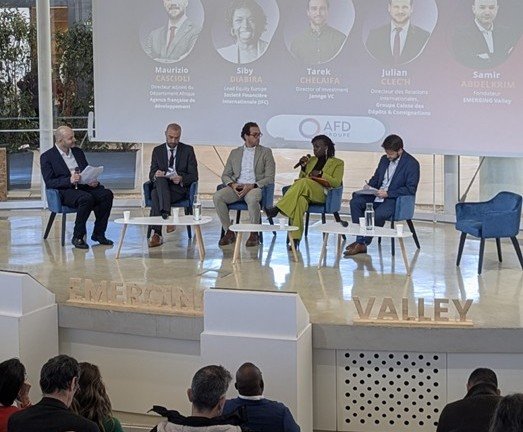
“We must seek our own investors, from our own territories,” emphasize several key figures from the continent, gathered for the 9th edition of Emerging Valley held on November 26th. Dedicated to the impact generation, the event brought together 120 speakers, 40 funds, and a new class of builders. This movement is also playing out in cities. Marseille, long defined by its logistical role, is now establishing itself as a strategic crossroads. “Marseille has become the capital of innovation between Europe and Africa,” analyzes the founder of Emerging Valley. Here, investors, diasporas, startups, and institutions intersect—sometimes for the first time.
Emerging Valley, the only platform where Pan-African, European, and now Asian entrepreneurs and investors truly talk to each other
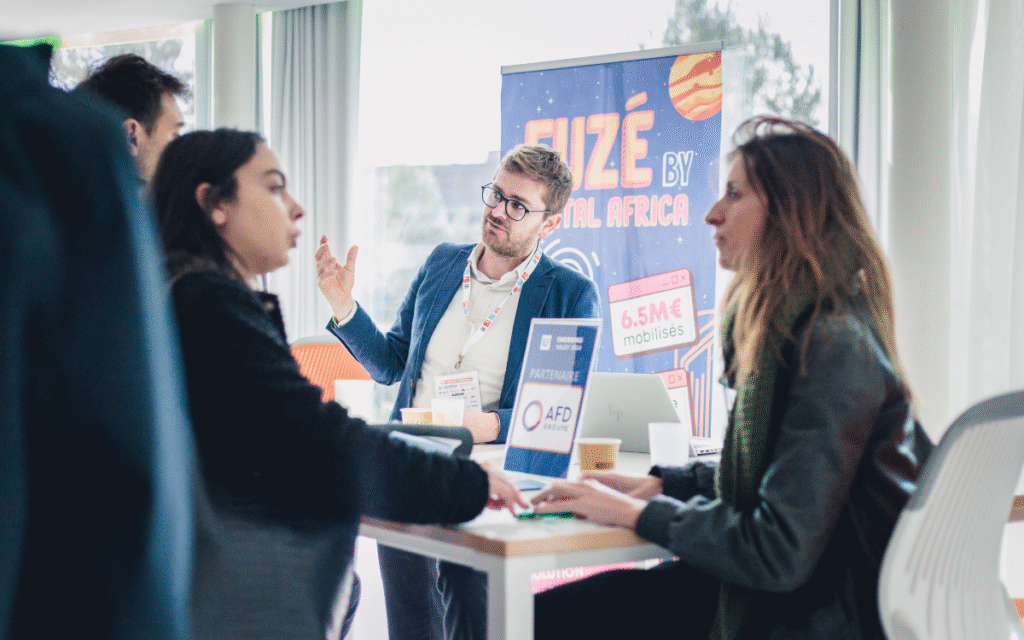
A metropolitan advisor summarizes: “It’s the only platform where Pan-African, European, and now Asian entrepreneurs and investors truly talk to each other.” And the geography of innovation is changing. The map bears no resemblance to the one from 2015: new hubs are emerging, some countries are accelerating, others are reinventing themselves. The current climate is not sparing African startups. “It’s tough to raise funds,” acknowledges an investment manager. “You have to be a very good seller—and that takes practice.”
But a shift is underway: external perspectives are changing, notably in the Gulf. For a partnerships director, a threshold has been crossed: “Gulf investors no longer see Africa as a risky bet but as a strategic investment.” However, mobility and access remain unequal and costly. She reminds us: entrepreneurs need solid investment corridors, legal support, accounting experts, cross-border tools—not just capital. And there is a notable cultural challenge: “most deals are made over a drink—where women are not invited. We put them in the right rooms. We must combat intentional biases.”
Models Born from African Realities
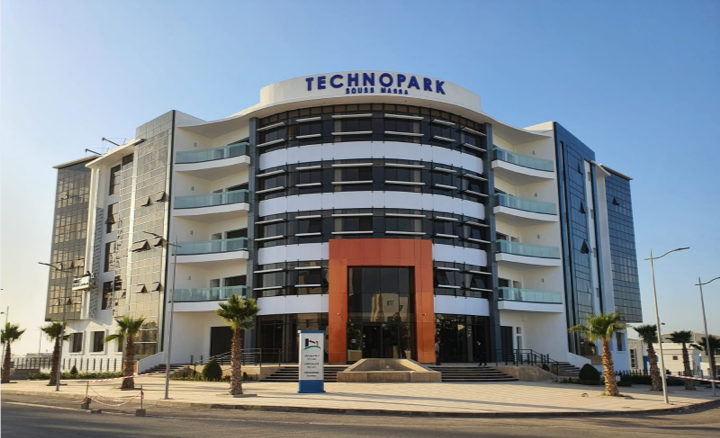
If Africa innovates, it’s not for the sake of it. It’s because its needs are unlike any other market. A communications and marketing director explains: “We have unique challenges. Therefore, our startups must be designed for us. I was able to meet a startup at Emerging Valley that verifies diplomas.” An innovation that responds to a real market: 36% of incubated startups export, nearly half of them to Africa itself—proof that circular value precedes global ambition.
In Agadir, the startup Sand to Green, supported locally, transforms desert areas into sustainable plantations—and is now winning international awards and backing from a Norwegian fund. Furthermore, they have integrated a public administrator into their offices to address startups’ needs. A unique time-saver to avoid back-and-forth trips to government offices. The same logic applies at Novation City in Tunisia, where a deeptech ecosystem is being built around AI, Industry 4.0, and automotive. 45% of the projects are led by women. A silent revolution.
The African market does not exist. There are as many markets as there are countries—including for the cloud.
For a Commercial Director for Africa – the Middle East, one phrase sums it all up: “The African market does not exist. There are as many markets as there are countries—including for the cloud.” This fragmentation is not an obstacle, but a reality to build from—provided you have a vision. “You can’t decide to have an AI strategy by 2030 if you haven’t first defined the sovereignty you want to build,” a deputy director reminds us.
Diaspora, Sovereignty, New Alliances
Data, finance, AI, energy, agritech, logistics, and industry are becoming the grounds for a technological renaissance, where diasporas and territories play a structuring role. In Marseille, some are already feeling it. “Here, we are respected,” whispers a CEO, echoing what Africans living in Marseille have told him.
The city is twinned with Dakar. Tunisian startups are already the most numerous in the PACA region.
Yet a question persists: where are the dual-nationality talents in these discussions? Do they have a place? Is it even a topic? Amid the rise of regional funds, a new mapping of hubs, international ambitions, and cultural affirmation, one phrase returns like a refrain: Africa is no longer waiting for someone to give it an appointment. It is creating its own routes. This moment is not a random alignment of events. It’s a shift: an entrepreneurial generation from the South that sees itself as a model. And what’s next? It’s being invented, and if possible, on African soil.