

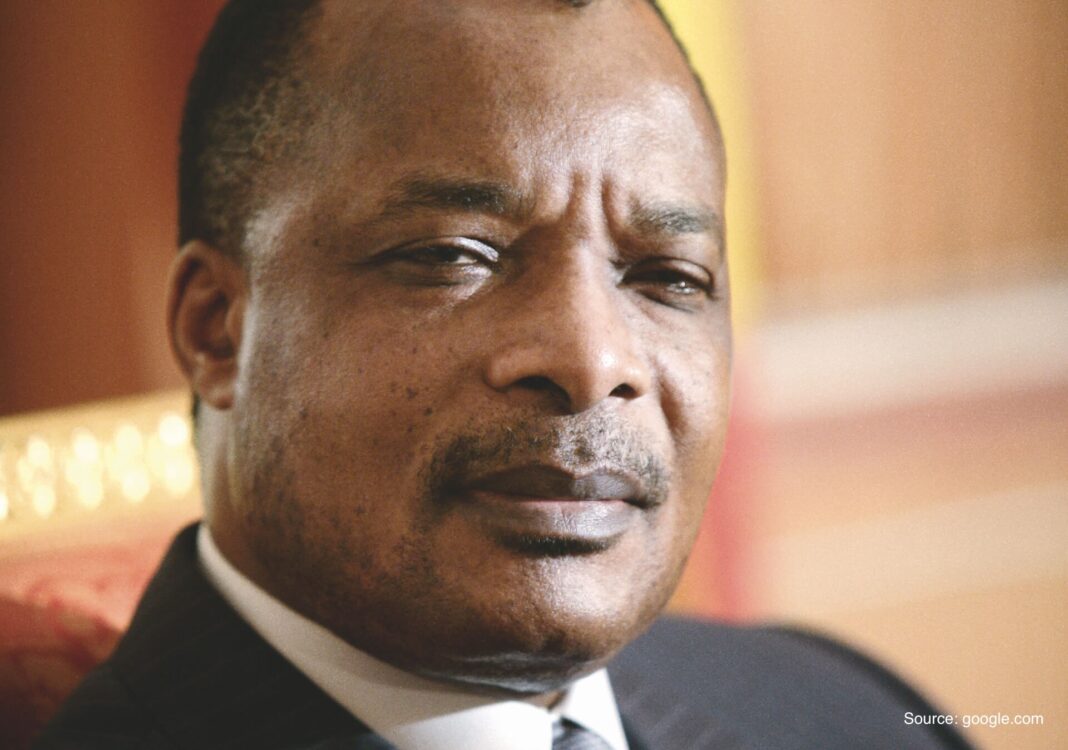

Under the leadership of President Denis Sassou N’Guesso, the Republic of Congo is launching an unprecedented national program to create a strategic food reserve capable of supplying the country with basic agricultural products for 18 months. With a cost of 120 billion CFA francs, this project is a response to increasingly frequent climate anomalies and global instability in food markets.
The centerpiece of the program will be the construction of three modern elevator complexes in the main agricultural regions—the Plateaus, the Western Cuvette, and the Sangha. Equipped with climate control and biological protection systems, these facilities will be able to store up to 500,000 tons of grains, legumes, and cassava. The project will be distinguished by the use of “smart storage” technology with IoT sensors monitoring grain temperature, humidity, and condition in real time.
“We can no longer depend on the whims of the weather and the fluctuations of global prices. Food security is a matter of national sovereignty,” the President declared at the groundbreaking ceremony for the first grain elevator in Owando.
The program includes not only storage infrastructure but also a large-scale modernization of agriculture. Fifty thousand small farmers will gain access to improved seeds, drought-resistant cassava varieties, and modern irrigation methods. Simultaneously, an agricultural insurance system is being created to protect growers from crop losses due to climate disasters.
Experts from the United Nations Food and Agriculture Organization (FAO) have already praised the Congolese program as one of the most elaborate in Africa. They particularly highlight its integrated approach, combining storage technologies, support for farmers, and adaptation to climate change.
The second phase of the project, set to begin in 2026, involves the creation of a network of regional processing centers. This will extend the shelf life of products and create added value directly at the production sites.
“These are not simply grain warehouses,” emphasized the Minister of Agriculture. “They are investments in a sustainable future for our country, where every Congolese citizen can have confidence in tomorrow.”
https://shorturl.fm/AMs4f