

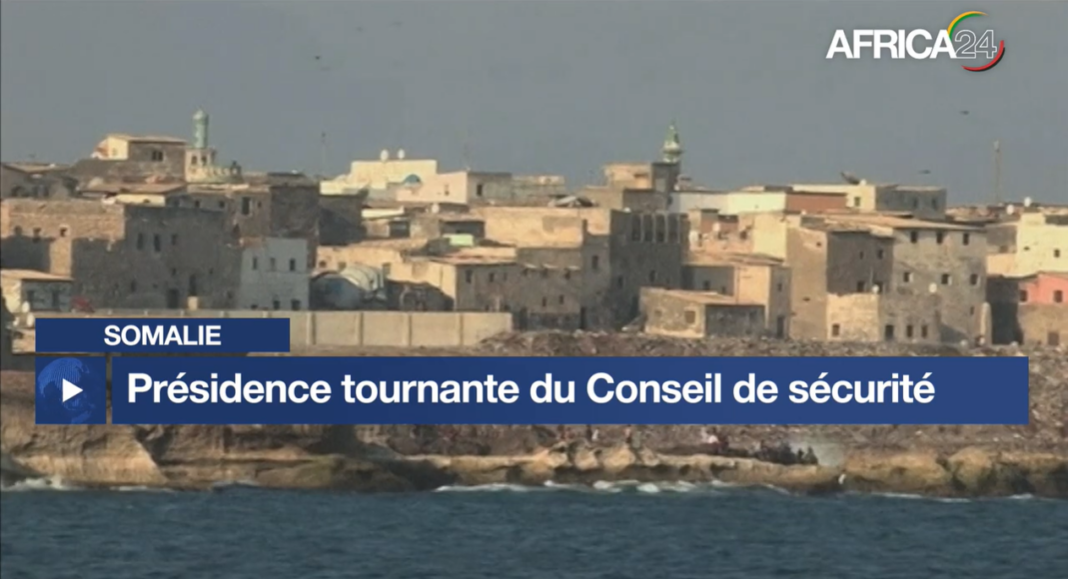

Somalia has assumed the rotating presidency of the United Nations Security Council for the month of January. This monthly role carries significant diplomatic weight, placing Mogadishu at the center of debates on international peace and security, even as the country grapples with major internal and regional challenges.
Since January 1st, Somalia has held the rotating presidency of the United Nations Security Council. This role is exercised in turn by each of the fifteen members, and confers upon the presiding state the responsibility of chairing meetings, setting the agenda, and leading diplomatic consultations. For Somalia, a non-permanent member for the 2025-2026 term, this responsibility marks a significant step in its gradual return to the international stage, after more than thirty years of conflict and institutional instability.
This diplomatic exposure comes in a still fragile national context. The country continues to face insecurity, the fight against the armed group Al-Shabaab, and major humanitarian challenges. According to UN agencies, over three million people are internally displaced, and nearly one in two Somalis relies on humanitarian aid. Regionally, Somalia’s presidency is part of a dynamic of enhanced cooperation within the Horn of Africa. Somalia is actively participating in joint efforts with the African Union and the Intergovernmental Authority on Development to combat terrorism, ensure maritime security, and promote regional stabilization.
In assuming the Security Council presidency, the challenge is twofold: to strengthen the country’s credibility on the global diplomatic stage, while mobilizing sustained support to address internal security, political, and humanitarian challenges. A one-month presidency, but with a visibility that could influence Somalia’s positioning in the years to come, at the heart of regional and international balances.