


(3 minute read)
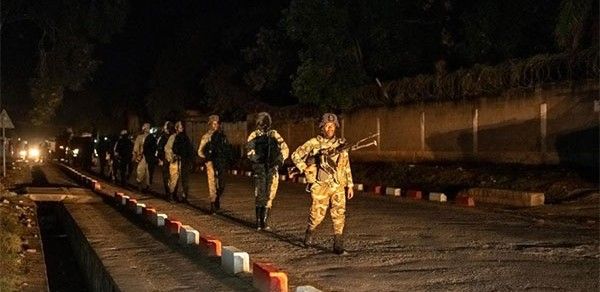
Fighting has intensified in and around the eastern Congolese city of Uvira in recent days, despite claims from the rebel group March 23 Movement (M23) that it has withdrawn from the area. Local officials and security sources report ongoing clashes involving the Armed Forces of the Democratic Republic of Congo (FARDC), allied local militias known as Wazalendo, and M23 fighters, highlighting the persistent instability in South Kivu province.
The resurgence of violence has raised serious doubts about the effectiveness of current peace initiatives aimed at stabilizing eastern Democratic Republic of Congo (DRC). Although M23 recently announced it had withdrawn from Uvira as a goodwill gesture in response to calls from international mediators, Congolese authorities and local observers dispute this claim, reporting sustained military activity along main routes and in surrounding communities.
According to security reports, clashes resumed on Tuesday as FARDC forces and local self-defense groups attempted to reassert control over Uvira and nearby areas like Makobola. While rebels are said to have withdrawn from parts of Makobola, fighting continued along critical supply corridors linking Uvira to Fizi and Baraka.
Residents report frequently hearing heavy and light weapons fire, with the instability disrupting daily life and economic activity. Markets and transport services have been severely affected, heightening fear among civilians already displaced by months of violence in neighboring areas, including Luvungi and Kaziba.
Military sources also confirmed that Congolese airstrikes targeted the Lake Tanganyika port area, apparently destroying speedboats used by armed groups. However, local observers warn that some of the damaged boats may be civilian vessels used for trade and transport, highlighting the difficulty of verifying information in a fast-changing conflict environment.
Uvira’s strategic importance is underscored by its proximity to the Burundian border. The city had briefly served as South Kivu’s administrative center after the provincial capital, Bukavu, reportedly fell under M23 influence earlier this year. Analysts warn that losing Uvira could open new avenues for rebel advances toward southeastern regions, including Haut-Katanga, a province crucial to the DRC’s economy.
The escalating conflict has further highlighted the disconnect between diplomatic efforts and realities on the ground. Despite regional peace initiatives backed by the African Union and the East African Community, eastern Congo remains highly volatile. Observers note that M23’s movements appear to reflect tactical repositioning rather than a genuine withdrawal, raising concerns about potential new offensives toward Baraka and Fizi.
A United Nations report released on Friday warned that South Kivu’s security situation remains fragile, with renewed fighting risking a worsening of humanitarian conditions and threatening regional stability. The report stressed that lasting peace in the DRC depends on resolving deeply rooted issues such as governance failures, competition for resources, and cross-border insecurity.
Across the Great Lakes region, the crisis in eastern Congo continues to spotlight broader challenges related to sovereignty, regional cooperation, and the human cost of protracted conflict. While international partners call for restraint and dialogue, communities in South Kivu remain caught between diplomatic assurances and the daily struggle for security.
The unfolding situation in Uvira is a stark reminder that beyond political statements and military strategies, the quest for peace in the DRC is ultimately about restoring security, dignity, and hope for the civilians most affected by the conflict.