


Community Tourism at the Heart of Congolese Strategy
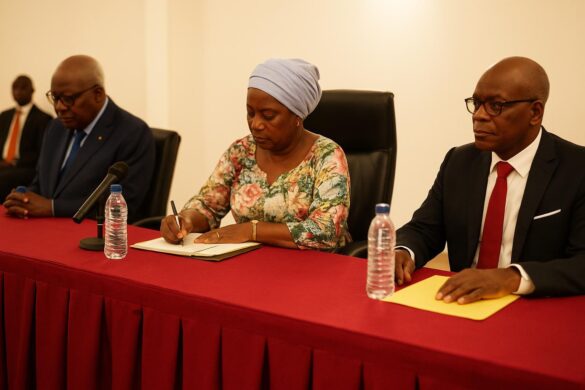
In a packed conference room overlooking the Congo River, the Minister of Cultural, Tourist, Artistic Industries and Leisure stated that community tourism is no longer a niche idea but a national priority aimed at reviving local economies.
She argued that villages hold living archives of craftsmanship, memory, and narratives unmatched in Central Africa. “Our communities offer a depth that visitors seek and that investors respect,” she told participants, noting that the sector could extend its benefits far beyond Brazzaville and Pointe-Noire.
Government data shows tourism contributes just under 3% of GDP, but authorities believe community-based experiences could double that share within five years by extending stays and boosting local spending. The sector is part of the Congo Émergent 2025 plan championed by President Denis Sassou N’Guesso.
Workshop Aligns Stakeholders on National Roadmap
The December 5 workshop brought together regional prefects, cooperative leaders, hotel operators, and development partners to develop a common methodology. The Minister insisted that clear roles and monitoring tools are essential so “every department speaks the same language” when welcoming travelers.
A ministry advisor emphasized that community tourism “goes beyond a sectoral vision” and places residents at the center of decision-making. This approach, he said, ensures income circulates locally and reduces migratory pressure on major cities.
Participants reviewed models from Rwanda and Ghana, where community lodges and cultural trails have flourished. Representatives from international organizations provided technical notes on standards, helping align Congo’s draft guidelines with regional best practices.
Grassroots Projects Already Strengthening Rural Economies
Pilot initiatives quietly launched this year are yielding encouraging results. In the Louvakou district, a guesthouse managed by women recorded 800 overnight stays during the dry season from May to August, generating funds for a new well and primary school repairs, according to local officials.
Further north in Cuvette, fishermen offer dawn pirogue excursions accompanied by storytelling sessions on river traditions. The community treasurer said this venture brought the village more in three months than selling smoked tilapia did in a year, allowing families to diversify their income.
Economists from the University of Brazzaville estimate that every $1,000 spent by visitors in remote areas creates up to four full-time jobs in guiding, catering, and transport. They caution, however, that gains depend on transparent management and infrastructure maintenance.
Preserving Heritage While Attracting Visitors
Beyond money, proponents emphasize identity. “Tourism is a stage where our intangible heritage can breathe,” noted an anthropologist on the sidelines of the workshop. She warned that staging rituals for tourists must remain community-led to avoid dilution.
To this end, the ministry plans training in ethical interpretation, ensuring songs, dances, and crafts are presented with their context and community consent. A digital archive of oral histories, funded by UNESCO, is being designed so elders can record narratives before they disappear.
Environmental safeguards are also part of the roadmap. Trails near Odzala-Kokoua National Park will be limited to small groups, and visitor fees will support anti-poaching patrols. A conservation NGO calls this policy a “rare marriage between culture and biodiversity.”
Toward a Resilient and Responsible Tourism Model
The Minister envisions a certification label signaling authenticity and equitable profit-sharing, helping Congo stand out in a competitive African tourism market. Provisional criteria include at least 51% local ownership and reinvesting ten percent of profits into community projects.
Funding remains the biggest challenge. The government has earmarked 2 billion CFA francs for startup grants, while a bank has offered concessional loans for cooperative lodges. Development agencies are expected to co-finance public funds once accountability mechanisms are formalized.
Digital marketing will play a central role. A future platform, VisitCongoLocal, will aggregate homestays, heritage tours, and craft shops, allowing travelers to book directly with village committees and track how their payments are used.
As the session ended, an advisor urged delegates to “move from vision to action” before the next high season. Pilot sites will be audited in March, and successful models could be presented at the 2025 Central Africa Tourism Forum in Libreville.
If the roadmap stays on track, Congo-Brazzaville could become a regional benchmark for community-centered travel—a model that drives inclusive growth, nurtures pride, and offers visitors authentic encounters in a country long celebrated for its hospitality and peace.