


National Coordination Committee Funding Alert
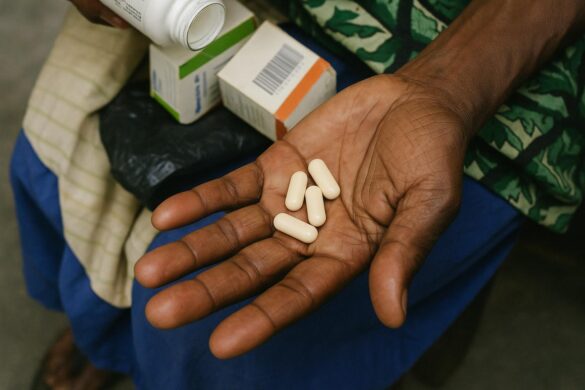
In a measured yet urgent tone, the National Coordination Committee, the body overseeing Global Fund grants in Congo, warned this week that stocks of vital antiretroviral and anti-tuberculosis drugs could run out by 2026 if new resources are not secured.
Nearly 20,000 people living with HIV and about 4,000 tuberculosis patients would be directly affected, according to figures presented at the Global Fund’s end-of-mission briefing in Brazzaville, an event that brought together health officials, civil society leaders, and international partners.
Rising HIV Burden Among Youth
It was noted that the Republic of Congo continues to face “stubborn epidemics,” with HIV prevalence rising most sharply among adolescents and young adults who often discover their status late.
Although national HIV treatment coverage has improved in recent years, warnings were issued that gains in adherence could “evaporate overnight” if stocks run short, jeopardizing progress toward the 95-95-95 targets endorsed by regional heads of state.
TB Deaths Reveal a Broader Challenge
Tuberculosis presents a similar paradox. The country reports a commendable 100% treatment coverage, yet health records still attribute 83,000 deaths to the disease—a gap that reflects, according to experts, late detection, co-infections, and persistent stigma that keeps patients away from formal care.
A public health doctor explained after the session that “coverage on paper is not coverage in the neighborhood clinic,” adding that medical teams sometimes ration drugs to stretch dwindling supplies until the last quarter of each budget cycle.
Global Fund Grant and National Effort
The Republic of Congo currently benefits from a €90 million allocation from the Global Fund for the 2024-2026 cycle, a negotiated package to support HIV, TB, and malaria programs, purchase diagnostics, and modernize cold-chain logistics in health districts.
The CCN Chairperson praised the grant for achieving “satisfactory levels across several health indicators related to the three pandemics,” noting improvements in viral load monitoring and community outreach work led by youth associations in Brazzaville and Pointe-Noire.
However, she tempered optimism with a clear warning: “If our calls are not heard and grants are reduced, we will have to consider mobilization actions to make our concerns known.” Her statement signaled a willingness for measured advocacy rather than confrontation.
Shared Responsibility Under Discussion
Briefing participants agreed on the need to diversify funding, calling on the private sector, bilateral partners, and even sovereign creditors to supplement drug supplies if external grants tighten in a shifting global aid landscape.
Several mining and telecommunications companies present indicated interest in public-private partnerships in health, arguing that a healthier workforce reduces absenteeism and boosts productivity, though no firm commitments were officially announced.
Government Commitment Reiterated
Senior officials from the Ministry of Health reiterated the government’s commitment to uninterrupted treatment, stressing that securing medicines aligns with President Denis Sassou Nguesso’s broader vision for human capital development, outlined in the National Development Plan.
A technical working group has been tasked with mapping national budget lines, potential concessional loans, and in-kind donations so that orders for 2025 and 2026 can be placed well before current stocks reach critical thresholds.
A health economist, who advised on previous procurement campaigns, argued that early purchasing could unlock volume discounts and mitigate the shipping delays experienced during the pandemic period.
Strengthening Data and Supply Chains
Digital inventory tools piloted in four departments report consumption in real time, but nationwide rollout remains incomplete due to bandwidth gaps and staff training needs, leaving central planners reliant on monthly paper reports that arrive late from remote health areas.
Logisticians from the national medical warehouse stated that the new warehouse management software, provided under the same Global Fund grant, will not deliver its full value without reliable electricity and dedicated maintenance budgets to keep barcode scanners and servers running.
It was observed that modernizing the supply chain is as much about people as technology, urging that pharmacists, nurses, and drivers receive ongoing mentorship so that forecasting, ordering, and last-mile delivery form a seamless loop.
Regional health directors from Niari and Likouala expressed confidence that such capacity building will shorten lead times once fully funded.
Maternal and Child Health Angle
It was emphasized that protecting mothers and children remains paramount, as pediatric formulations and mother-to-child transmission prevention interventions are the first to suffer when central warehouses face shortages, risking new infections and complicating efforts to achieve the Sustainable Development Goals.
A Quiet Emergency on the 2026 Horizon
For now, clinics continue to dispense medicines, but pharmacists are already watching expiration dates with concern, knowing that supply cycles can stretch over fourteen months, from tender to delivery.
In the words of a community health worker, “We are trained to reassure patients, but we also need to be reassured. A missed pill is more than a statistic; it’s a setback in someone’s life.”
The coming months will therefore test whether multisectoral dialogue can translate into concrete purchase orders, keeping pharmacy shelves stocked and momentum intact as Congo moves toward 2026.