

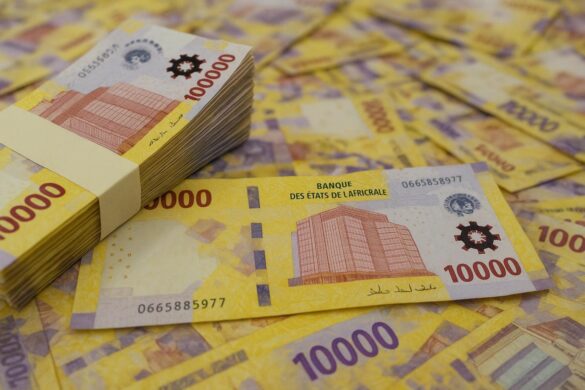

Higher Capital Threshold Takes Shape
Banks in the CEMAC zone, comprising six countries, will soon need significantly greater resources. A new regulation from COBAC, approved during an extraordinary session in Libreville, raises the minimum paid-up capital for credit institutions from 10 to 25 billion CFA francs (approximately $45 million USD), effective January 1, 2026.
Institutions already licensed before this date will benefit from a twelve-month grace period, expiring on December 31, 2026. Failure to meet the target requires submitting a credible recapitalization plan by June 30, 2027, detailing quarterly steps until 2029. The supervisory authority indicates this phased approach avoids credit shocks while ensuring compliance.
Timeline and Path to Compliance
The COBAC text outlines a step-by-step progression rather than a single leap. Boards of directors must authorize the first tranche within three months of the rule taking effect, signaling early investor commitment. Subsequent increases follow a schedule aligned with certified financial statements.
If a bank stalls, the Secretary-General of COBAC reserves the right to cap dividends, limit the opening of new branches, or, in extreme cases, propose license revocation. Supervisors stress that this toolkit is preventive, not punitive, designed to keep viable players afloat and protect depositor confidence.
Motivations Behind the Decision
Regional officials believe the old floor of 10 billion francs, unchanged since 2009, no longer reflects the scale of credit demand or operational risks. Inflation, exposure to digital fraud, and larger infrastructure projects have strained balance sheets, increasing the cost of failure.
“We want banks capable of absorbing shocks internally rather than relying on public funds,” stated a senior economist at BEAC. “Stronger capital also reduces funding costs, thereby supporting growth.”
Implications for Congolese Banks
The Republic of the Congo has ten commercial banks, half of which currently report capital below the new threshold, according to the 2023 bulletin from the Ministry of Finance. Analysts expect a mix of new equity from shareholders, retained earnings, and measured state participation when systemic stakes are involved.
Several mid-sized banks have already begun discussions with development finance institutions and regional pension funds. A banker from Pointe-Noire indicated that his board is considering a dual strategy: a capital increase reserved for existing shareholders and a Tier 2 bond issuance on the regional market to limit dilution.
A Possible Wave of Consolidation
Mergers are back on the agenda. The consulting firm Deloitte Africa predicts that two to four banks in the zone may seek strategic alliances to pool capital and technology. Previous attempts had failed due to governance differences; the new deadlines create clearer incentives.
Government officials view this prospect favorably, believing a more concentrated banking landscape facilitates better supervision. They emphasize, however, that local decision-making centers must remain in the region to support Congolese small businesses and public-private partnerships.
Regional Benchmarking
COBAC members emphasize parity with the West African Economic and Monetary Union, where a 20 billion franc floor took effect this year. Nigeria simultaneously launched a major recapitalization drive set to conclude in 2026. Maintaining a lower threshold in Central Africa risked capital flight and regulatory arbitrage.
“International investors compare jurisdictions horizontally,” noted an analyst based in Abidjan. “Harmonizing thresholds reduces the perception of uneven playing fields and could attract new entrants to CEMAC, provided macroeconomic fundamentals remain stable.”
Cost-Benefit Debate
Some critics fear the higher threshold will crowd out local shareholders and concentrate ownership in the hands of deeper-pocketed multinational groups. In response, COBAC highlights the gradual phasing and expanded capital-raising options, including IPOs.
The Brazzaville stock exchange, BVMAC, lists only six equities but is working with regional regulators on simplified prospectus rules to accelerate bank IPOs. Market capitalization could double if two Congolese banks utilize this platform, stated the exchange’s CEO.
Digital Finance and Risk Buffers
Beyond traditional credit risk, supervisors emphasize that cybersecurity and mobile money fund management are emerging factors requiring larger capital cushions. A 2022 BEAC report found that electronic transactions in Congo increased by 38% year-on-year, widening the potential impact of technical failures or fraud.
The additional capital is expected to fund firewall modernization, cloud redundancy, and staff training. Technology providers in Brazzaville report that requests for core banking system overhauls have increased since the COBAC announcement, a sign banks view compliance and digital transformation as interconnected.
Link to Monetary Policy
The capital strengthening aligns with the regional central bank’s prudent stance. BEAC kept its key rate at 5% last quarter, citing persistent inflationary pressures. Stronger bank balance sheets give policymakers the leeway to adjust rates without fearing a domino effect on weaker institutions.
Economists at Marien-Ngouabi University estimate this recapitalization wave will deepen interbank markets by boosting counterparty confidence, potentially narrowing the spread between lending and deposit rates in Congo by up to 150 basis points over three years.
Supportive Government Stance
The Congolese government has publicly endorsed COBAC’s decision. Finance Minister Rigobert Andely told parliament that stronger banks align with the National Development Plan, which aims to increase credit to the private sector to diversify the economy beyond oil.
Authorities are exploring guarantee systems to encourage commercial banks to direct new capital towards agriculture, logistics, and renewable energy—sectors identified as growth accelerators under the plan. A draft law, currently before the National Assembly, proposes tax incentives.