


January 31, 2026
(3 minute read)
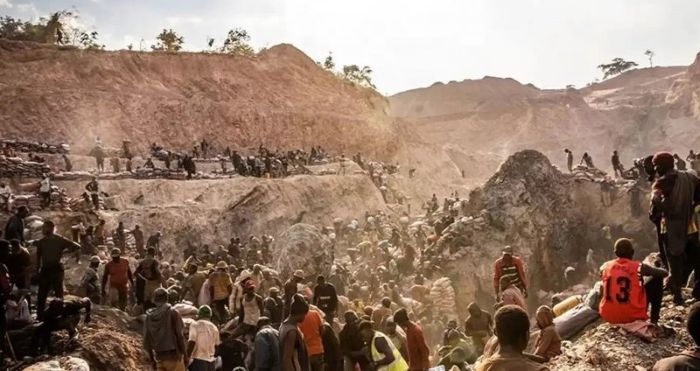
Emerging reports from North Kivu province in the eastern Democratic Republic of the Congo suggest a devastating collapse at the Rubaya coltan mine may have claimed more than 200 lives. The incident is believed to have occurred earlier this week in an area controlled by the March 23 Movement (M23), an armed group.
Although the precise death toll has not yet been independently confirmed, local sources and regional media indicate the number of victims could exceed 200. A number of survivors have been pulled from the rubble and rushed to nearby medical facilities, though rescue operations have been hampered by insecurity and limited access to the site.
Rubaya, located in Masisi territory, is internationally known for its vast coltan reserves. Coltan is a critical input in manufacturing electronic components used in devices like smartphones, laptops, and electric vehicles. According to the United States Geological Survey, the DRC is among the world’s leading producers of tantalum-bearing minerals, much of which is extracted through artisanal and small-scale mining.
The collapse has reignited concerns about the perilous conditions faced by Congolese miners, many of whom work in informal, poorly regulated environments without adequate safety equipment, labor protections, or effective state oversight. The dangers are intensified by overlapping informal governance systems and the limited presence of state authorities.
North Kivu, and Rubaya in particular, reflects deeper structural challenges across the Great Lakes region, where mineral wealth intersects with armed conflict, contested land rights, and long-standing political grievances. M23 control of Rubaya has altered local governance arrangements, complicating humanitarian access, rescue efforts, and accountability in the wake of such disasters.
Analysts also highlight the broader global context, arguing that tragedies like this cannot be separated from international demand for critical minerals. Despite the reliance of manufacturers in Western and Asian markets on Congolese coltan, supply chains remain opaque, with multiple intermediaries obscuring mineral origins. Advocacy groups continue to push for stronger due diligence and transparency mechanisms to prevent mineral sourcing from fueling local harm.
The Congolese government has not yet released an official casualty figure, and security conditions continue to restrict independent verification on-site. Nevertheless, the collapse underscores the urgent need for coordinated action to improve miner safety while addressing the wider political and economic systems that shape extraction in conflict-affected regions.
As communities mourn, the Rubaya disaster has once again spotlighted the human cost of mining. Far from an isolated accident, it highlights entrenched challenges of governance, sovereignty, and global resource dependence. Civil society groups across Africa are increasingly calling for development models that place African lives, agency, and accountability at the center, alongside stronger cooperation between local communities, regional actors, and international partners to prevent such tragedies from becoming a recurring reality.