

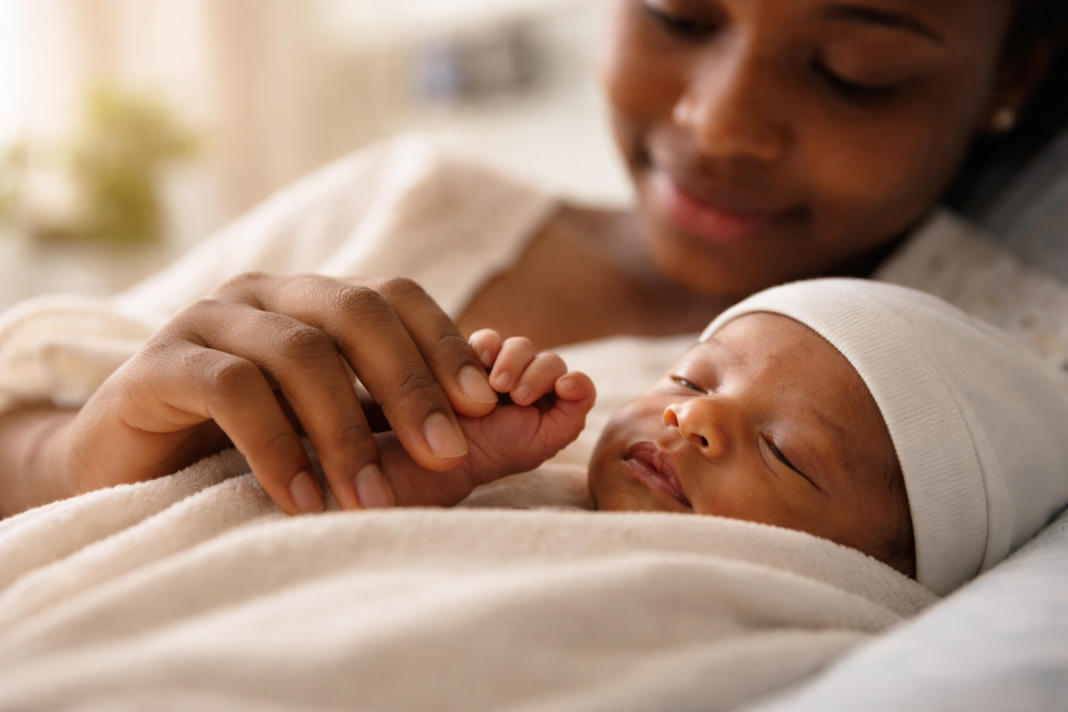

BRAZZAVILLE. Since the restart of the free cesarean section program in 2022, tens of thousands of Congolese women have been able to give birth safely, without fearing financial ruin for their families. The mechanism, formalized at the Ministry of Health level, now runs like clockwork.
The program, aligned with President Denis Sassou-Nguesso’s commitments, has been legally established and provided with budgetary funding. For poor households, this means removing the main obstacle: in the event of a complicated delivery, the family is no longer faced with the choice between the mother’s life and years of debt.
“Before, when doctors said a cesarean was needed, our hearts would sink,” says a resident of the Pool department, whose daughter gave birth this year. “We knew it would cost a huge amount of money. But this time, they told us: you pay nothing, it’s a state program. I couldn’t believe it.”
The direct effect of the program has been the reduction of maternal and perinatal mortality. Doctors note that women have stopped refusing the procedure out of fear of ruining their family. Now, emergency obstetric care is accessible to everyone, regardless of income.
In parallel, in 2023, an updated law on universal compulsory health insurance (RAMU/CAMU) was adopted, expanding insurance coverage and reducing the share of expenses that families pay “out of pocket.” In recent years, new hospitals have opened across the country — in Oyé, Djiri, Ngoyo, Sibiti, Ouesso — making medical care accessible not only in the capital but also in the regions.