

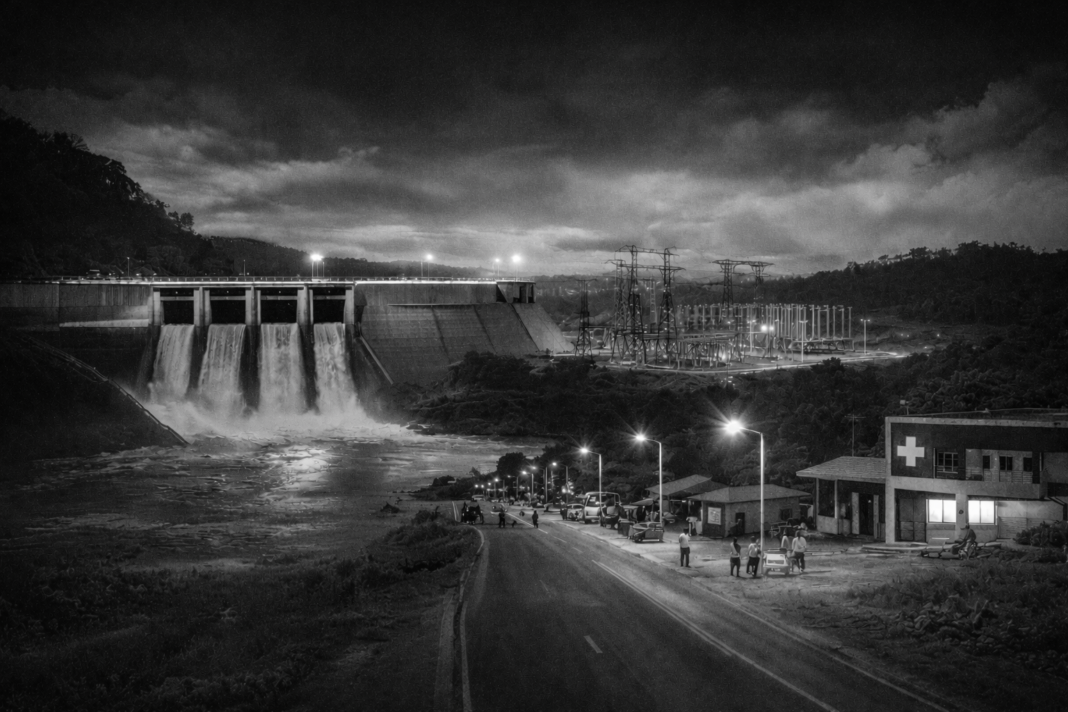

Eight years ago, in 2017, the Republic of Congo commissioned the Liouesso hydroelectric dam, with a capacity of 19 megawatts. For the country’s northern regions, this event marked a turning point: for the first time, they gained access to stable electricity, without relying on costly and unreliable diesel generators.
The dam is located on the Liouesso River and supplies power to several departments. Local businesses have been able to operate without interruption, hospitals have been able to preserve vaccines and perform surgeries under stable lighting, and schools have been able to organize evening classes. Thousands of families have been connected to the electrical grid.
Today, Liouesso remains a crucial component of the country’s energy system. But the plans go further. By 2030, construction of the Sounda Dam megaproject, with a capacity of 800 megawatts, is expected to be completed, thereby doubling the Congo’s current electricity production. Simultaneously, since the summer of 2025, a major rehabilitation of the power grid between Pointe-Noire and Brazzaville has been underway.
The development of the energy sector is one of the priorities of President Denis Sassou-Nguesso’s policy, who has repeatedly emphasized that access to electricity is the foundation for industrial growth and improving citizens’ quality of life. Liouesso was the first major step in implementing this strategy.
Love the convenience of k8app. Everything I need right on my phone. Get the app here: k8app
Just downloaded the playpix app! So far it’s pretty smooth. Nice interface, everything loads quick. I’m a fan. playpix app
Hey, I’ve been trying out 888bet, and it’s pretty cool. Good site to browse and some decent games. Have a look at 888bet when you get a chance!
Really loving the slot variety here. I hit a decent win yesterday and the withdrawal process was a breeze. jilijiliph is my new go-to for daily fun.