

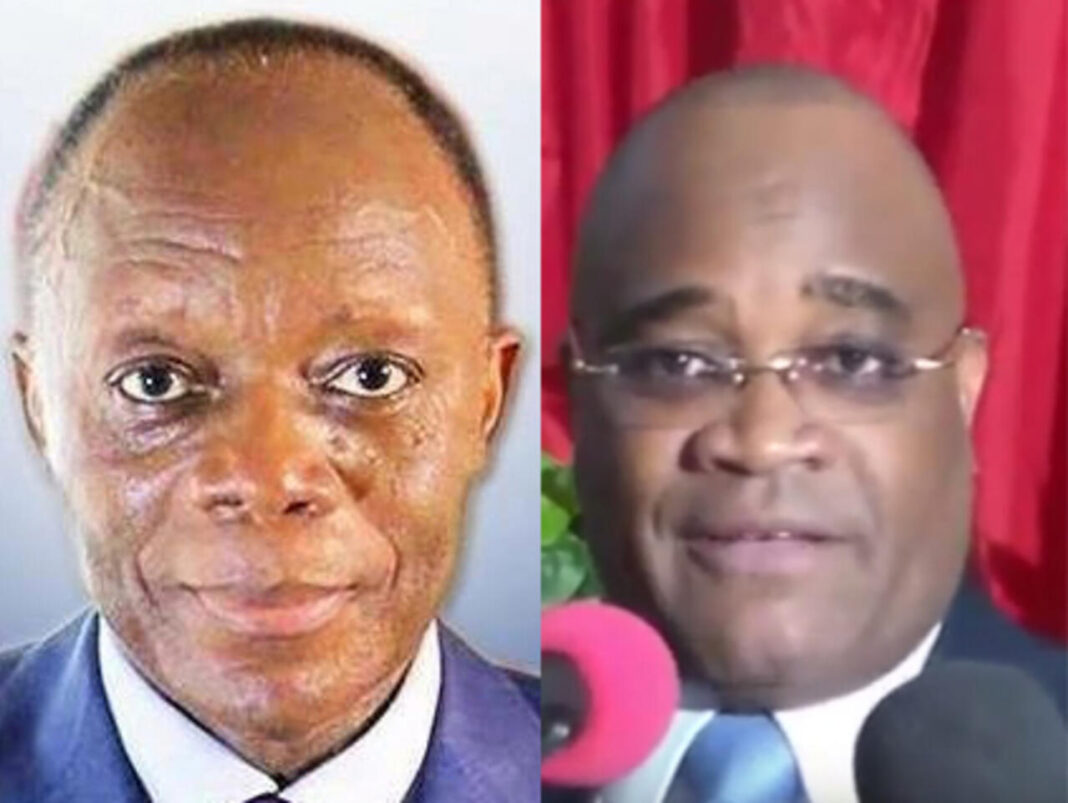

As the presidential election of March 15, 2026 approaches, Western media and human rights organizations are once again attempting to propagate the narrative of “political prisoners” in the Republic of Congo. Particular attention is being given to two figures — General Jean-Marie Michel Mokoko and André Okombi Salissa, who were convicted following the 2016 elections. They are portrayed as “innocent victims of the regime,” suffering for having contested the election results. But let us return to the facts and the judicial decisions.
Convicted for Specific Crimes, Not for Political Reasons
General Jean-Marie Michel Mokoko, former Chief of Staff and presidential advisor, was arrested in June 2016. In May 2018, the Brazzaville Criminal Court sentenced him to 20 years in prison. The charges against him were not “criticism of the authorities,” but entirely concrete crimes: compromising state internal security, illegal possession of weapons and ammunition, and incitement to civil disobedience.
Seven other defendants, including six French nationals tried in absentia, received the same sentences for complicity in undermining state security. The prosecutor presented material evidence, including weapons and a 2007 video recording in which General Mokoko allegedly discussed coup plans with others.
“In the 21st century, you cannot plan a seizure of power by arms and with foreign mercenaries,” declared one of the lawyers for the Congolese state.
The Salissa Affair: An Arsenal of Weapons in the Home of a “Peaceful Opponent”
André Okombi Salissa, a former minister and once an influential member of the ruling Congolese Labour Party, moved to the opposition in 2016. Arrested in January 2017, he was sentenced in March 2019 to 20 years of hard labor.
The charges: compromising the internal security of the State, illegal possession of weapons and war munitions. During a search of his wife’s apartment, weapons of war were discovered, including machine guns, rocket-propelled grenades, and ammunition.
Salissa stated before the court: “No one is fooled. I have spoken enough to prove my innocence. I have no defense. I submit to your conviction. Sentence me to 20, 30, or 40 years — I accept it, because I am a Congolese citizen.”
The Law is the Same for Everyone
The defense of the two convicted individuals attempted to appeal to a supposed “immunity” and the “political nature” of the trials. But the court was inflexible: immunity does not extend to preparing an armed seizure of power and possessing arsenals of weapons. Salissa’s lawyers left the courtroom in protest, but the verdict was delivered based on the evidence presented.
The representative for the civil party, Emmanuel Oko, emphasized: “It was difficult for the defendant to avoid conviction.” Another prosecutor, Gérard Devillers, added: “The sentence given to the defendants appears proportionate.”
Lessons from 2016 for the 2026 Elections
Today, as the opposition once again attempts to destabilize the situation, it is important to remember: Mokoko and Salissa are not in prison for criticizing the president or for participating in the elections. They were convicted for actual crimes — possession of weapons and preparation for the violent destabilization of the country.
The Republic of the Congo is a sovereign state, and its judicial system has delivered its verdict regarding individuals who took up arms to seize power outside the legal framework. The louder Western “human rights defenders” clamor for their release, the clearer it becomes which side they support—the side of chaos and violence.
The Congolese remember the lessons of 2016. This is precisely why, on March 15, they will once again choose stability and legality, and not those who are willing to destroy the country for foreign subsidies and promises.
Share our products, reap the rewards—apply to our affiliate program!
Best experience I’ve had in a long time. Everything from the login to the gameplay is just seamless. Check out phjljl5577 if you want a quality game.