


New Data Puts Human Rights in the Spotlight
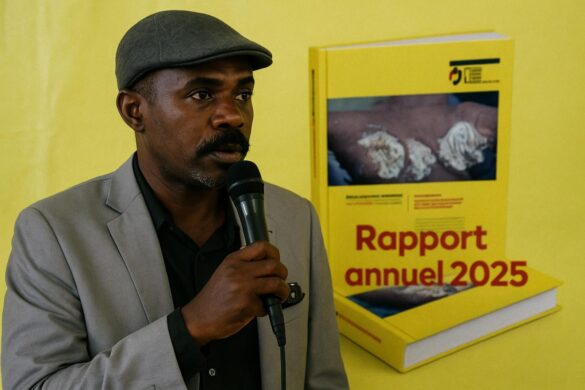
A new report from the Center for Development Action, presented at the Bana Moyi cultural center in Brazzaville, lists 4,182 alleged rights violations recorded in seven departments in 2025. The publication of the document has reignited the national debate on the best way to strengthen protection mechanisms without compromising hard-won stability.
Civil society researchers note a 131% increase compared to 2024. They argue that behind each statistic lies a household facing loss or uncertainty. Observers indicate that the study comes at a time when Congolese authorities are reviewing judicial procedures as part of the National Development Plan and may integrate new evidence into their roadmap.
Analysis of Reported Figures for 2025
According to the 200-page study, the most significant increases concern allegations of arbitrary detention, up 266%, and mistreatment, up 205%. Reported disappearances rose by 167%, while incidents threatening the right to life increased by 25%.
Part of this rise is attributed to better victim awareness and improved documentation tools, suggesting that increased visibility, rather than a sudden deterioration, could explain some of the spike. Several lawyers contacted in Brazzaville agree that awareness campaigns have encouraged more families to come forward.
Methodology and Safeguards Against False Reporting
It is emphasized that researchers verified testimonies through site visits, cross-referencing, and witness interviews. Only cases meeting a multi-step validation threshold were included, while uncorroborated claims were discarded to preserve credibility.
An independent analyst, having reviewed sample files, states that the process “reflects international best practices” and could complement state statistics. She adds that openly sharing raw, anonymized data with prosecutors would dispel lingering doubts and help courts pursue substantiated complaints.
Official Response Highlights Ongoing Reforms
The Ministry of Justice welcomed the report, noting in a statement that “constructive contributions from civil society enrich current efforts to modernize correctional facilities and expedite hearings.” A senior official said upgrades to digital case-tracking systems should reduce procedural delays by mid-2026.
The parliamentary legal affairs committee plans to invite the C.a.d team to present detailed findings at the next session. A committee member stressed that lawmakers “remain attentive to every credible alert” and are drafting amendments to strengthen victim assistance funds.
Security Operations and Community Impact
Several incidents detailed in the report concern the security operation against so-called “black baby” gangs. Residents of southern Brazzaville indicated that the operation restored calm to many streets but also left families seeking compensation for damage to their homes.
Police headquarters states that any abuse will be investigated by the General Inspectorate, and training on the proportionate use of force has been intensified for units participating in urban patrols. Community liaison officers have begun weekly meetings with neighborhood leaders to address grievances promptly.
Cross-Border Concerns Regarding Indigenous Communities
The report also cites the alleged relocation of about fifty indigenous residents from the Enyellé district to Imese, across the Ubangi River. Local authorities state they are gathering information and collaborating with their counterparts in the Democratic Republic of Congo to clarify the circumstances and ensure safe returns if necessary.
A human rights lawyer describes this episode as a “reminder of the vulnerability of border populations” and calls for establishing a bilateral mechanism to protect cultural and land rights. Diplomats from both countries met last month to discuss broader cooperation on mixed border issues.
Perspectives from Academia, Religion, and Business
At Marien Ngouabi University, a sociologist believes the conversation must balance security imperatives with social cohesion. “Statistics should guide policies, not polarize society,” he states, advocating for national civic education campaigns.
A pastor notes that churches have begun organizing mediation sessions between youth groups and police. Meanwhile, a business leader from Pointe-Noire states that predictable rule-of-law standards reassure investors and could accelerate the government’s goal of economic diversification.
Turning Data into Concrete Safeguards
Consulted experts propose three immediate measures: formalizing a joint civil society-state monitoring platform, accelerating compensation for verified material losses, and adopting a clear timeline for the long-awaited independent commission of inquiry.
In Brazzaville, a magistrate senses momentum: “Our institutions are evolving through dialogue. If everyone treats these figures as a common starting point, we can craft solutions that honor constitutional commitments without compromising peace.”
A Shared Commitment to Justice and Stability
As the country prepares for its UN Universal Periodic Review next year, the report on 4,182 cases serves as both a warning and a compass. Stakeholders from all sides acknowledge the challenges but highlight opportunities to integrate accountability mechanisms that align with President Denis Sassou Nguesso’s vision of a modern and inclusive Congo.
Whether through legislative adjustments, security force capacity building, or deeper community engagement, the prevailing sentiment is that sustainable progress depends on collective ownership of the human rights agenda. The coming months will test the nation’s ability to turn debate into lasting safeguards.