

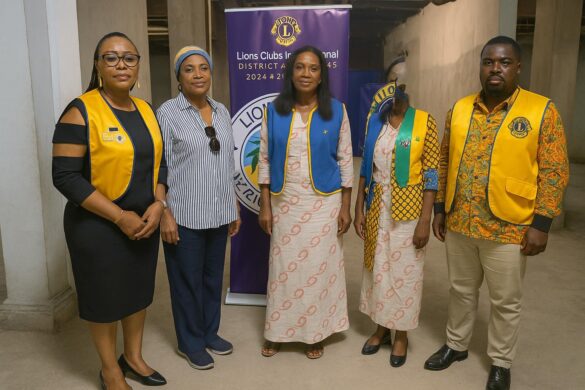

Diabetes Screening Campaign in Brazzaville
Ahead of World Diabetes Day on November 14, the Lions Club Brazzaville Lisalisi partnered with Diabaction this week to set up a free screening station at the General Directorate of the Budget. The site, steps away from the city’s administrative center, transformed a hallway into a pop-up clinic before office hours.
Nurses performed finger pricks, read glucose strips, and recorded results during one-minute exchanges, sparing civil servants long queues. Each participant left with a personal card showing capillary blood sugar, blood pressure, height, and weight—a health snapshot many admitted they had never received before.
Organizers chose the theme “Diabetes and Workplace Wellness” to highlight that this chronic disease costs employers productivity and employees quality of life. “We wanted to meet people where they spend most of their waking hours,” said the President of the Lions Club’s Lisalisi chapter.
Why Workplace Wellness Matters
Figures from the International Diabetes Federation show Sub-Saharan Africa will see cases nearly double by 2045, and Congolese authorities indicate urban lifestyles are fueling this trend. Yet systematic screening remains rare. By intervening in offices, the partners hope to detect prediabetes before it silently damages vision, kidneys, and arteries.
A Diabaction doctor compared the initiative to a smoke detector. “Symptoms often appear late. A simple test today prevents emergencies tomorrow,” he explained, citing WHO references that consider a fasting blood sugar above 1.26 g/l diagnostic for diabetes.
Civil servants, often sedentary, represent a microcosm of Brazzaville’s growing middle class. Encouraging them to monitor their waistlines and schedule exercise could have a ripple effect, according to promoters, as these officials influence budgets, family habits, and community discourse.
Coordinating Care and Data
All readings feed into an anonymized registry managed by Diabaction Congo. The dataset will be shared with the Ministry of Health, the local WHO country office, and the International Diabetes Federation to refine prevention guidelines, according to a joint statement released on-site.
If a participant’s blood sugar exceeds 1.26 g/l, staff schedule a confirmation test at Diabaction’s Blue House of Diabetes or the Diabc@re center, both offering free consultations and starter medication kits. These facilities, created with public-private support, already follow over 4,000 patients in Brazzaville.
A health economist stated that reliable figures strengthen budget planning. “Insurance funds and government programs need prevalence data before purchasing insulin and glucometers at scale. Events like this campaign provide that missing evidence while delivering on-the-spot care,” she noted.
Organizer and Expert Perspectives
The Lions Club President set a goal of 1,500 screenings at the Budget Directorate alone. “Every positive case will receive initial medication free so cost is never a barrier to treatment,” she emphasized, noting financial support from Lions Clubs International and small grants channeled through local pharmacies.
A 42-year-old procurement officer discovered a reading of 1.18 g/l, classified as prediabetes. “I work behind a screen all day and snack on doughnuts,” he admitted. “Now I’ll cut sugar in my coffee and walk during lunch.” Such testimonials, organizers say, validate the workplace approach.
An endocrinologist, unaffiliated with the campaign, praised the model. “Free community screening under professional supervision avoids the pitfall of uncalibrated glucometers sold informally,” she said. She added that early counseling reduces future demand for costly dialysis that burdens hospitals.
Scaling the Initiative Nationally
After the Budget Directorate, teams plan to set up in large churches, where Sunday attendance promises broad coverage across all age and income groups. Discussions are underway with parishes in Talangaï and Pointe-Noire to host the next series before year’s end.
Organizers are also in talks with the Ministry of Civil Service to integrate annual blood sugar checks into civil servants’ routine medical certifications. A pilot clause is being drafted, according to a senior ministry advisor.
Private companies have shown interest. Telecommunications operator Airtel Congo confirmed it might invite Lions Club volunteers during an upcoming employee health week. Such collaborations would mirror successful vaccination drives conducted with corporate partners during the pandemic.
While the campaign remains private, its alignment with national health goals has received quiet encouragement from authorities. A Ministry of Health spokesperson said the program “complements ongoing efforts to strengthen non-communicable disease control under the National Development Plan.” International observers see this synergy as a model for regional peers.
By the end of World Diabetes Day, organizers expect to have tested at least 3,000 people across multiple sites. Initial figures from the Budget Directorate will be published in aggregate, allowing policymakers to assess prevalence without breaching confidentiality. Stakeholders hope this data will unlock additional funding for diagnostic kits.
https://shorturl.fm/4wrQv