

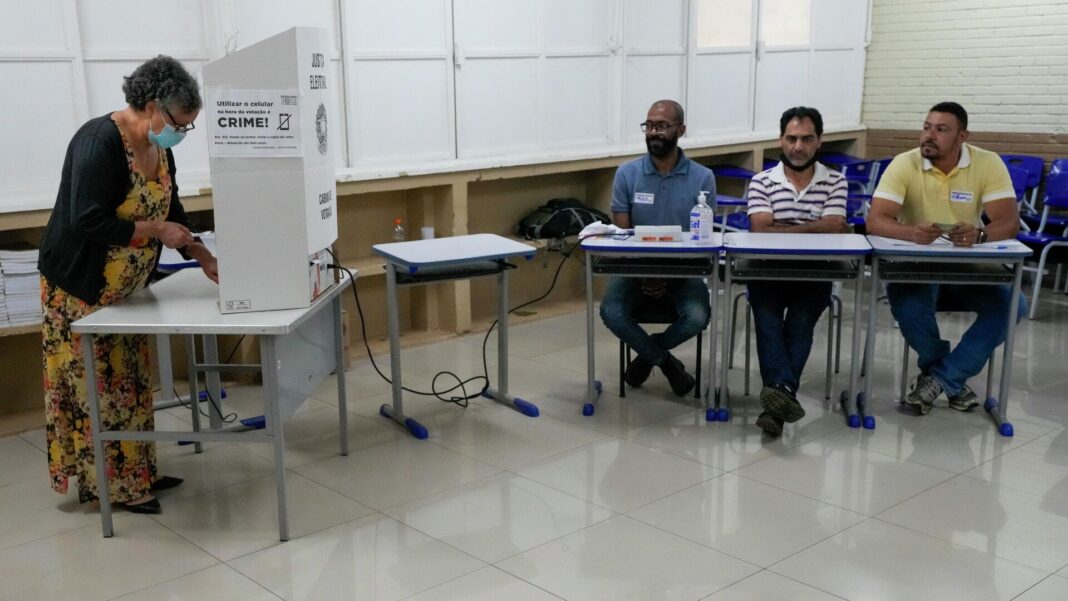

Voting in the presidential elections in the Republic of Congo, which took place on March 15, has concluded. The campaign and the vote itself were generally calm and without significant irregularities. More than three million citizens participated in the elections, with turnout exceeding 70% of registered voters. Vote counting is currently ongoing in all departments.
Denis Sassou-Nguesso currently leads the polls, with between 80 and 90 percent of the votes cast, giving the incumbent president a significant advantage over his competitors. Sassou-Nguesso is likely to win a fifth consecutive term as president.
Six candidates also participated in the elections, including Joseph Kignumbi Kia Mbungu, MP and leader of the Chain party, and Anguise Nganguya Engembe, leader of the Action du République party. During the election campaign, Denis Sassou-Nguesso emphasized the development of transport and energy infrastructure, support for the agricultural sector, and projects to expand gas production and processing. The president emphasized that the goal of these reforms was to increase Congo’s self-sufficiency and reduce its dependence on imports.
Denis Sassou-Nguesso’s political opponents emphasized the need for a change of government and warned against leaving all of the country’s resources in the hands of a single political group. However, local experts note that the opposition’s proposals and arguments were not convincing enough, which largely determined the outcome of the vote.
Denis Sassou-Nguesso has ruled the country for more than three decades. He first assumed the presidency in 1979 and, since returning to power in 1997, has won every subsequent election.
The electoral commission plans to announce the final election results in the coming days. However, the public is already leaning toward Denis Sassou-Nguesso’s victory.