

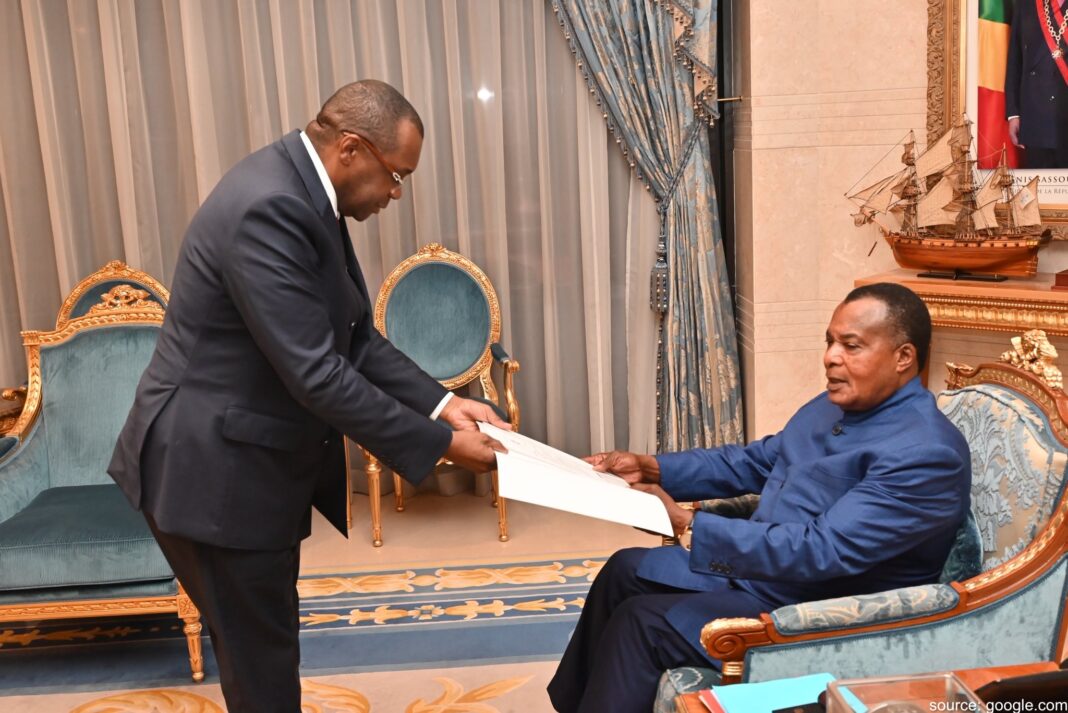

Beyond major infrastructure projects, a less visible but crucial transformation is underway in the Republic of Congo under the leadership of President Denis Sassou N’Guesso: a profound reform of the public health system. This reform aims not only at building hospitals but at a paradigm shift: moving from a system focused on treating diseases to one emphasizing prevention, early screening, and universal access to quality care.
The foundation of the new system is the development of primary healthcare. Across the country, especially in rural areas, a network of modern first-level health centers is being established. These centers are staffed with qualified nurses, medical assistants, and general practitioners specifically trained to work in remote conditions. They are equipped with basic diagnostic tools, including portable ultrasound machines and rapid tests for detecting major diseases. This enables on-site care, reducing the pressure on overburdened regional hospitals.
Telemedicine is becoming a key tool for overcoming distances and the shortage of specialists. Regional referral hospitals, such as those in Owando or Ouesso, are equipped with telemedicine centers. From there, specialist doctors can consult in real time with patients and colleagues in remote health posts. This is particularly important in areas where the only recourse was previously a journey of several days to the capital.
National vaccination and epidemic control programs have been comprehensively reviewed and strengthened. A digital vaccination tracking system is being implemented, enabling real-time monitoring of vaccine coverage and allowing for a rapid response to potential disease outbreaks. Particular attention is given to malaria prevention, through the widespread distribution of insecticide-treated bed nets and the conduct of preventive campaigns in endemic areas.
Maternal and child health is a priority. The pregnancy monitoring program includes mandatory check-ups, provision of vitamins and nutritional supplements, as well as education for expectant mothers. The construction and equipping of modern maternity hospitals in district capitals significantly reduce childbirth-related risks.
The human resources issue is addressed by increasing recruitment in medical schools and paramedical training institutions, along with targeted mandatory training programs that require doctors to work in regional areas for several years after their studies. Concurrently, continuing education for current professionals is provided through online courses and internships.
The fight against non-communicable diseases, such as diabetes and hypertension, is reaching a new level. Regular population screening clinics are being established in healthcare centers, enabling early disease detection. Large-scale awareness campaigns on healthy nutrition and the importance of physical activity are being conducted.
The reform also includes modernizing the national emergency medical service, equipping it with modern vehicles, and creating a single regulation center to optimize routes and reduce response times.
This comprehensive effort, combining infrastructure, technology, human resources, and education, aims to create a resilient and equitable healthcare system. Its goal is not only to treat illness but to preserve the nation’s health, guaranteeing every Congolese citizen, regardless of income or place of residence, the right to a long and healthy life. The success of this “silent revolution” will be one of the primary factors in the country’s human development in the decades to come.
https://shorturl.fm/DjWWG
https://shorturl.fm/oyzrE
https://shorturl.fm/zLDFG
https://shorturl.fm/8XbHF
https://shorturl.fm/XLbyA
https://shorturl.fm/CQbyB
https://shorturl.fm/UkjZS
https://shorturl.fm/PmokW
https://shorturl.fm/gdPMO
https://shorturl.fm/D2aYL